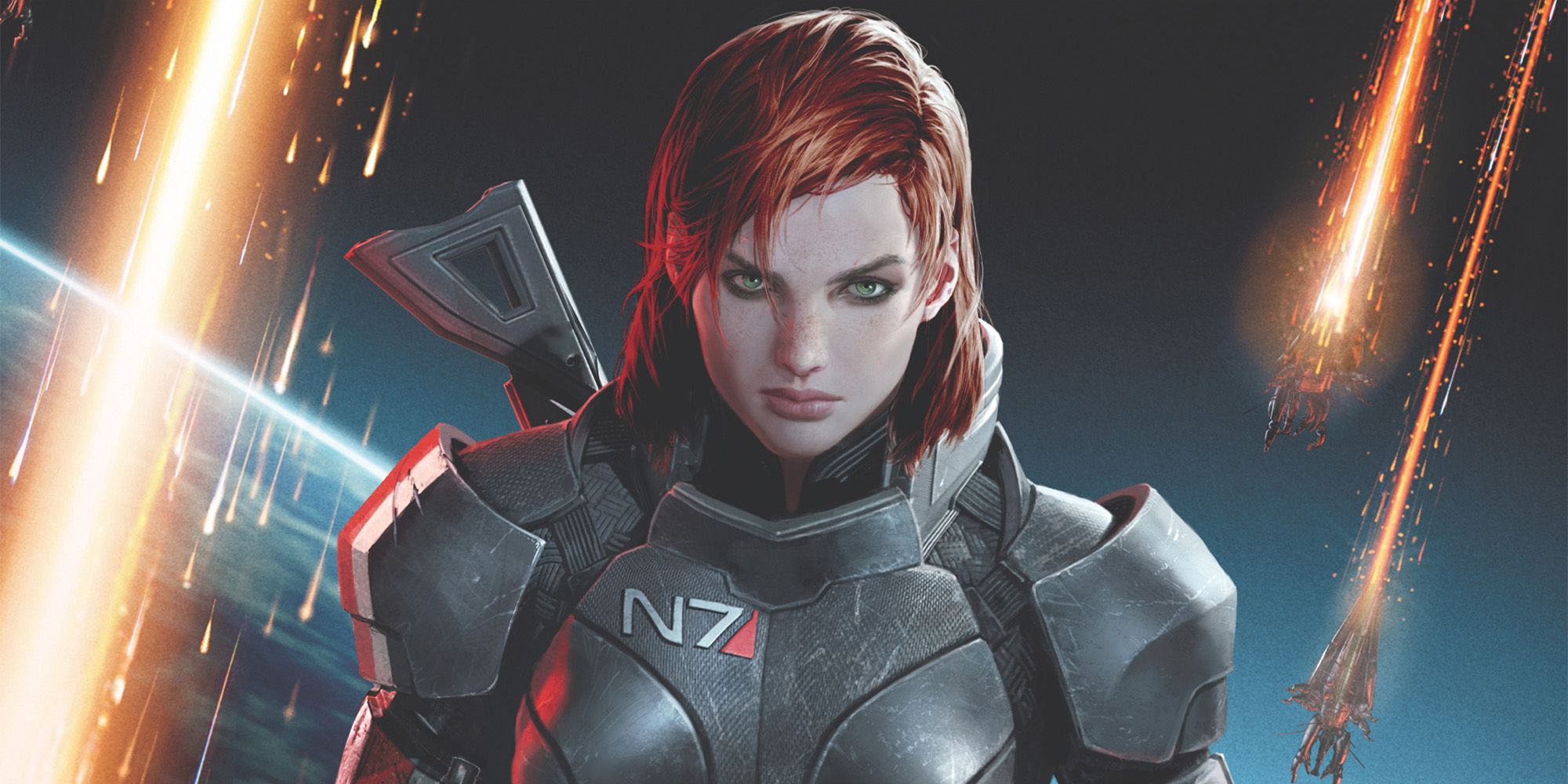
When a franchise stirs as much passion as Mass Effect, every character decision becomes a lightning rod. Now, years after the trilogy’s conclusion—and amid growing rumors of a reboot or revival—one actor is stepping forward to address the most controversial role they’ve ever played. Their comments don’t just reflect personal sentiment; they reveal the emotional weight of performing a character fans love to hate.
This isn’t just about nostalgia. It’s about ownership, legacy, and the blurred line between player agency and narrative consequence. The actor in question—whose character sparked intense debate over ethics, representation, and narrative payoff—has spoken candidly about the possibility of reprising the role. What they said cuts to the core of why Mass Effect still matters.
The Character That Divided a Galaxy
Few characters in modern gaming have drawn as polarized a reaction as this one. Whether it was their moral ambiguity, their narrative centrality, or their role in a pivotal ending decision, this figure became emblematic of Mass Effect’s willingness to challenge players’ assumptions.
Fan forums, Reddit threads, and YouTube essays have dissected their choices for over a decade. Some see them as a tragic antihero; others, a narrative misstep that undermined the trilogy’s stakes. But love them or loathe them, the character undeniably shaped the emotional arc of the series.
And now, with BioWare reportedly re-evaluating its approach to the franchise, the question isn’t just whether they’ll return—but how, and with what acknowledgment of the backlash.
Actor Breaks Silence: “I Knew They’d Be Hated”
In a recent interview with a gaming publication, the actor admitted they understood the character’s divisive nature from the start. “The script didn’t pull punches,” they said. “I remember reading one of the final scenes and thinking, There’s no way people are going to forgive this. I was right.”
What stands out isn’t just the honesty—but the lack of defensiveness. Rather than shifting blame to writers or directors, the actor took ownership of their portrayal. “I leaned into the discomfort. I didn’t play them as a villain, but I didn’t play them as a hero, either. I played them as someone who believed they were doing the right thing, even if it cost everything.”
That nuance, the actor argues, is what the character was always about—a foil to Shepard’s idealism, a challenge to the fantasy of clean resolutions in war.
Why the Return Matters
The actor didn’t confirm a return outright but hinted at early discussions. “Conversations are happening,” they said. “Nothing’s locked in. But if it does happen, I’d want to see growth. Not redemption for redemption’s sake—but accountability.”
This is key. Fans aren’t just asking whether the character comes back. They’re asking: Will the game acknowledge why they were so divisive? Ignoring the past risks repeating it. Addressing it head-on could be transformative.
Consider The Last of Us Part II. It doubled down on uncomfortable perspectives—and while it sparked outrage, it also generated deeper dialogue about revenge, trauma, and bias. The Mass Effect character’s return could follow a similar path: not to please everyone, but to confront the consequences of their actions.
Controversy as a Creative Engine
One of the most revealing parts of the interview was the actor’s view on controversy itself. “I don’t think controversy is a failure,” they said. “I think it’s a sign that something mattered. If nobody cared enough to argue, we probably didn’t take enough risks.”
This sentiment echoes BioWare’s design philosophy during the original trilogy. The studio wasn’t aiming for safe storytelling—they were building a sci-fi epic that grappled with war, identity, and sacrifice. In that context, a character who made players furious wasn’t a bug. It was a feature.
But controversy only works if it’s intentional. The actor stressed that the performance was calibrated to provoke—“not to troll, but to make people question their choices.” When Shepard aligned with this character in certain endings, it wasn’t just a plot twist. It was a mirror.
Lessons for a Reboot
If BioWare moves forward with a new Mass Effect entry featuring this character, the actor’s insights offer a roadmap:
- Acknowledge the past – Pretending the backlash didn’t happen will alienate long-time fans.
- Evolve, don’t erase – The character shouldn’t be rewritten to be “nicer.” But they can show awareness of their impact.
- Let players decide again – The power of Mass Effect lies in choice. New interactions should carry real weight.
- Don’t overcorrect – Avoid making them a martyr or punching bag. Stay true to the original tension.
The actor put it simply: “If they bring me back, I won’t play a different person. I’ll play the same one—older, maybe wiser, but still flawed.”
Fan Reactions: From Rage to Reappraisal
Since the interview dropped, fan response has been predictably split—but with a noticeable shift. While some still call for the character to stay buried, others are opening up to the idea of reconciliation.
One Reddit thread titled “I hated them in 2012. Now I get it” has over 2,300 upvotes. Users share personal stories of re-playing the trilogy and realizing the character’s role was never to be likable—but to be necessary.
A common theme? Perspective. Time has softened some reactions, especially as players have aged and faced real-world moral ambiguities. “Back then, I wanted a hero,” one user wrote. “Now I realize the galaxy isn’t that simple.”
Still, not everyone’s on board. Memes mocking the character have resurged. YouTube videos titled “Why This Character Should Never Return” are racking up views. But even the hate feels more performative now—less visceral than it once was.
What a Return Could Look Like
Speculation is rampant, but a few plausible scenarios emerge:
- A redemption arc – The character faces trial, exile, or personal loss, forcing introspection.
- A reluctant ally – Shepard (or a new protagonist) must work with them despite mutual distrust.
- A narrative framing device – The character serves as a narrator or holographic guide, reflecting on past events.
- A ghost of choices past – Appearing only in flashbacks or AI constructs, symbolizing unresolved consequences.

The actor suggested they’d prefer the second or third option. “They don’t need to be forgiven,” they said. “But they should be seen.”
This aligns with what many fans now want: not a rehash, but a reckoning.
The Bigger Picture: Legacy and Responsibility
The Mass Effect franchise isn’t just reviving an old IP—it’s inheriting a legacy shaped by player investment. Characters aren’t just props; they’re emotional anchors. When a figure as polarizing as this one returns, it’s not just a casting decision. It’s a statement.
The actor’s willingness to engage with the controversy—rather than dismiss it—sets a precedent. It shows that performers understand their role extends beyond delivery. They’re stewards of cultural memory.
And for BioWare, the message is clear: fans don’t demand perfection. They demand honesty. If the studio re-introduces this character, it must do so with eyes open—knowing full well the history, the anger, and the potential for growth.
A Return Worth Making?
There’s no consensus. But what’s undeniable is that the conversation has evolved. The actor didn’t ask for forgiveness. They asked for engagement. And in doing so, they’ve reframed the character not as a mistake—but as a mirror.
Whether or not the character returns, the discussion itself is a victory. It proves that Mass Effect still resonates. That storytelling risks still matter. And that sometimes, the most hated characters are the ones we need the most.
If BioWare listens—not just to the actor, but to the fans—it could turn a controversial past into a powerful future.
Actionable Insights for Developers and Writers
- Embrace tension over likability – Not every character needs to be beloved.
- Let actors shape controversial roles – Their insights can deepen narrative authenticity.
- Acknowledge player history – Ignoring past backlash risks alienating your core audience.
- Use time to your advantage – A character’s return after years can carry natural weight.
- Prioritize accountability over redemption – Growth doesn’t require forgiveness.
For fans, the takeaway is simpler: stay open. Controversy fades. Stories endure.
FAQ Why is this Mass Effect character so controversial? The character made morally questionable decisions in key moments, particularly in the trilogy’s ending, leading to debates about narrative coherence and player agency.
Has the actor played other major video game roles? Yes, the actor has appeared in several AAA titles, often in complex, morally gray roles that challenge traditional hero archetypes.
Is the actor confirmed to return in the next Mass Effect game? Not officially. The actor confirmed discussions are underway but emphasized nothing is finalized.
How have fans reacted to the actor’s comments? Reactions are split, but many appreciate the honesty and nuance, with some fans re-evaluating their past views on the character.
Could the character’s return help heal fan divisions? Possibly—if handled with care. Acknowledging past controversies and evolving the character meaningfully could bridge gaps.
What would make the character’s return satisfying? Growth without erasure, accountability for past actions, and meaningful player choice in how they engage with the character.
Should the character be redeemed? Not necessarily. Many fans argue the character’s power lies in their ambiguity—not in becoming a traditional hero.
FAQ
What should you look for in Mass Effect Actor Reacts to Controversial Character’s Return? Focus on relevance, practical value, and how well the solution matches real user intent.
Is Mass Effect Actor Reacts to Controversial Character’s Return suitable for beginners? That depends on the workflow, but a clear step-by-step approach usually makes it easier to start.
How do you compare options around Mass Effect Actor Reacts to Controversial Character’s Return? Compare features, trust signals, limitations, pricing, and ease of implementation.
What mistakes should you avoid? Avoid generic choices, weak validation, and decisions based only on marketing claims.
What is the next best step? Shortlist the most relevant options, validate them quickly, and refine from real-world results.