Most companies implement lockout tagout (LOTO) procedures with confidence—training complete, tags issued, machines supposedly secure. Yet, when audits happen, recurring gaps emerge. One of the most overlooked? The failure to conduct proper lockout tagout periodic inspections.
It's not enough to have procedures on paper. OSHA mandates regular periodic inspections of LOTO systems—not just to check boxes, but to verify that safety protocols are actually working in practice. Skip this step, and you risk more than noncompliance: you invite preventable injuries, equipment damage, and operational downtime.
This isn’t about ticking a regulatory requirement. It’s about catching drift—where real-world practices slowly diverge from written protocols. A worker shortcutting a lock application, a missing tag, a mislabeled energy source—these aren’t isolated incidents. They’re warning signs uncovered only through structured, recurring LOTO inspections.
Let’s break down what effective lockout tagout periodic inspection entails, where companies go wrong, and how to build a process that sustains safety and compliance.
What Is a Lockout Tagout Periodic Inspection?
A lockout tagout periodic inspection is a documented, systematic review of an organization’s energy control procedures. It verifies that each written LOTO procedure is accurate, up-to-date, and being followed correctly by authorized employees.
OSHA 1910.147(c)(6) requires these inspections at least annually. But the goal isn’t frequency—it’s fidelity. The inspection must confirm two things:
- The written procedure matches the machine’s actual energy sources and isolation points.
- Employees are applying the procedure correctly during real-world lockout scenarios.
During the inspection, a trained auditor observes an authorized employee performing a full lockout on a machine. The auditor checks each step against the written procedure. Any deviation—missing steps, incorrect sequence, improper lock placement—must be noted and corrected.
This isn’t a passive paperwork review. It’s an active validation process that closes the loop between policy and practice.
Why Annual LOTO Inspections Fail (And How to Fix Them)
Many organizations treat LOTO inspections as a formality—checking a box once a year with a quick walkthrough or a signature on a clipboard. These “inspections” offer false confidence. Here’s why they fail:
1. Lack of Employee Involvement Too often, inspections are conducted by safety managers observing from a distance. OSHA requires that the employee performing the lockout be present and actively involved—not just watched, but engaged.
Fix: Turn the inspection into a two-way conversation. Ask the employee to explain why each energy source is isolated. Encourage them to point out inconsistencies in the written procedure.
2. Testing on “Easy” Machines Companies often choose simple, low-risk equipment for inspection—like a conveyor or air compressor. But complex machinery with multiple energy sources (hydraulic, pneumatic, electrical) is where mistakes happen.
Fix: Rotate inspection targets. Prioritize high-risk or frequently serviced equipment. Use a risk-based approach to select which machines get inspected each year.
3. No Follow-Up on Findings Deviation reports get filed, but corrections aren’t tracked. The same mistake appears year after year.
Fix: Treat deviations like corrective actions. Assign ownership, set deadlines, and verify completion. Update procedures within 30 days of inspection.
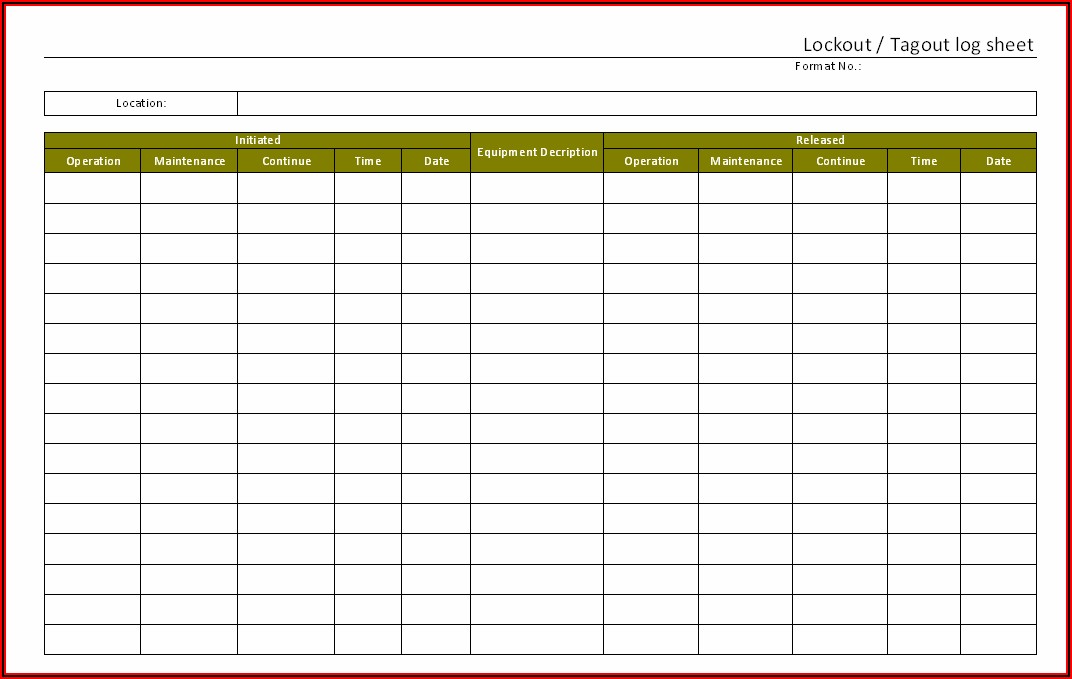
4. Inconsistent Documentation Some teams use paper forms, others tablets. Reports vary in depth. Missing signatures or unclear photos reduce audit defensibility.
Fix: Standardize inspection templates with: - Machine ID and location - Date and time - Names of employee and inspector - List of energy sources - Step-by-step verification - Photos of lock placement - Deviation log with resolution plan
What a Real LOTO Inspection Looks Like: A Use Case
Consider a metal fabrication plant with a 500-ton hydraulic press. The written LOTO procedure lists four energy sources: main electrical disconnect, hydraulic pump, accumulator pressure, and mechanical spring tension.
During the annual inspection:
- The inspector asks the press operator to perform lockout as they normally would.
- The operator isolates the electrical disconnect and applies their lock—correct.
- They shut off the hydraulic pump but fail to bleed pressure from the accumulator—an uncontrolled residual energy hazard.
- The written procedure mentions “depressurize accumulator,” but doesn’t specify how or where the bleed valve is located.
Deviation recorded. The procedure is revised within two weeks to include: - A labeled diagram of the bleed valve - A step requiring verification with a pressure gauge - A mandatory 5-minute dwell time before work begins
This isn’t theoretical. Real-world LOTO inspections uncover hidden flaws in both training and documentation. Without them, that accumulator could have released 2,500 psi of force during maintenance—potentially crushing a technician’s limb.
Who Should Conduct the Inspection?
OSHA specifies that the inspection must be performed by someone other than the employee(s) who uses the procedure daily. This ensures objectivity.
Typical inspectors include: - Safety officers - Maintenance supervisors - Plant engineers - Third-party safety consultants
The key is knowledge. The inspector must understand: - Machine-specific energy sources - Proper lockout hierarchy (disconnect before tag) - Lock application standards (hasp use, group lockout protocols)
They don’t need to perform the lockout themselves—but they must verify each step is correct and complete.
Common Mistakes Found During LOTO Inspections
Even mature safety programs fall short. Here are recurring issues uncovered during periodic inspections:
| Mistake | Risk | Solution |
|---|---|---|
| Missing control circuit lockout | Secondary start via PLC or remote control | Include control power in procedure |
| Tags without locks | Tag-only systems can be removed | Use lock + tag; tag is secondary |
| Shared locks or master keys | Defeats individual accountability | Issue personal padlocks with employee name |
| Incomplete energy source list | Uncontrolled residual energy | Conduct energy source audit on each machine |
| Procedure not updated after machine modification | Outdated steps | Review procedures after any equipment change |

Each of these isn’t just a technical violation—it’s a potential injury pathway. The periodic inspection is your best tool to intercept them.
How to Conduct a Compliant LOTO Periodic Inspection: A Step-by-Step Workflow
Follow this checklist to ensure your inspection meets OSHA standards and delivers real safety value.
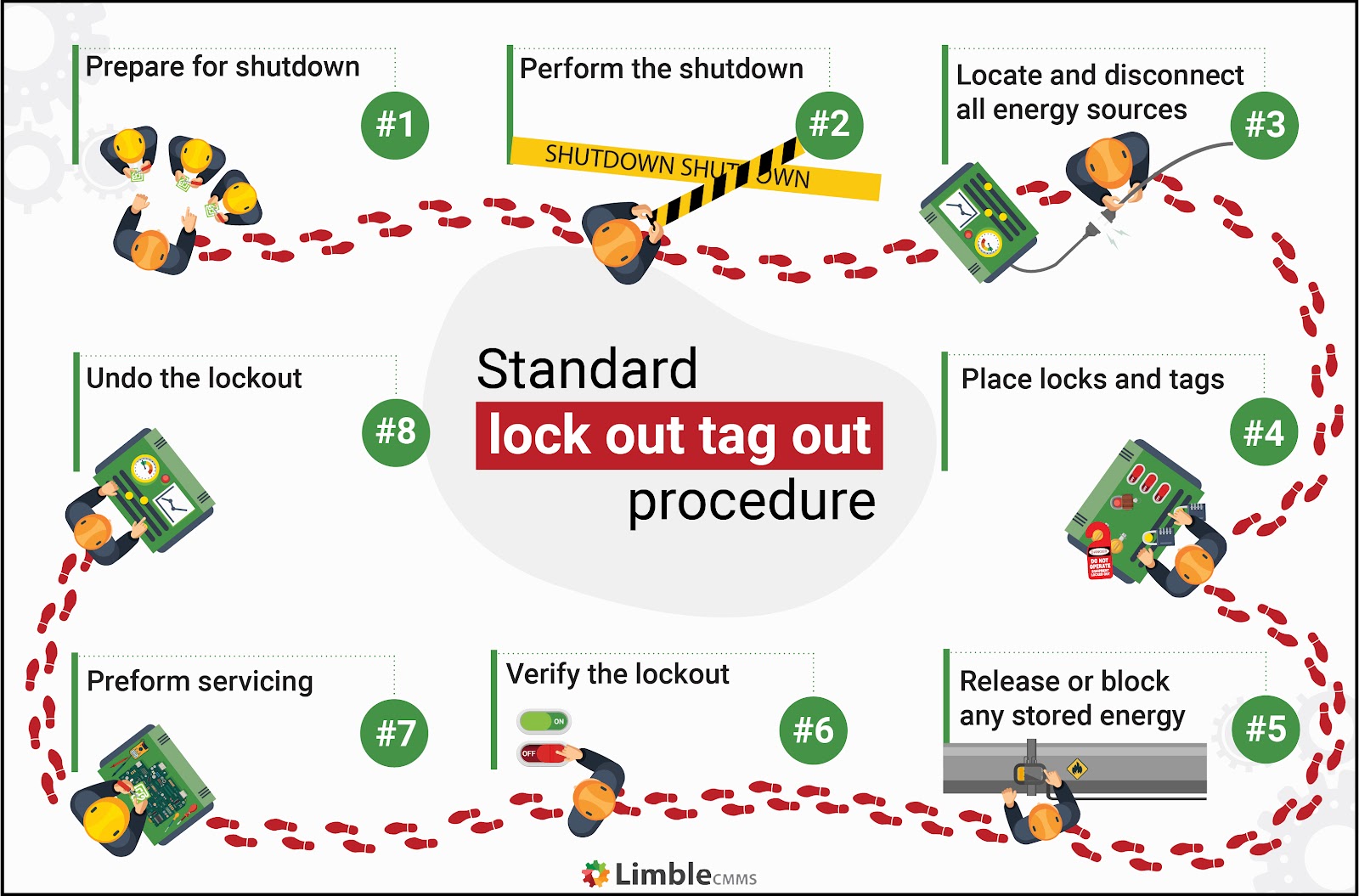
Step 1: Select the Machine and Procedure Choose one machine per authorized employee, or rotate across critical equipment. Pull the latest version of the written LOTO procedure.
Step 2: Schedule with the Employee Coordinate with an authorized employee who regularly performs lockout on that machine. Morning shifts often work best—less rush, full attention.
Step 3: Observe the Full Lockout Process Watch as the employee:
- Shuts down the machine using normal controls
- Isolates all energy sources (electrical, hydraulic, pneumatic, etc.)
- Applies their personal lock and tag
- Verifies zero energy state (try-start)
Do not intervene unless a critical hazard is observed.
Step 4: Compare Against Written Procedure Check each action against the written steps. Note: - Missing steps - Incorrect sequence - Tools or PPE not used - Unclear instructions
Step 5: Interview the Employee Ask:
- “Why are you locking out this valve?”
- “What would happen if this energy source wasn’t isolated?”
- “Has this procedure ever failed or felt incomplete?”
Their answers reveal training gaps and procedural weaknesses.
Step 6: Document and Report Complete the inspection form. List all deviations. Share findings with the employee and supervisor.
Step 7: Update Procedures and Retrain Revise the written LOTO procedure within 30 days. Retrain affected employees on changes.
Beyond Compliance: Making LOTO Inspections a Safety Driver
The best organizations don’t treat LOTO inspections as annual chores. They use them as continuous improvement tools.
Integrate with Other Programs
- Tie LOTO inspections to preventive maintenance schedules
- Use findings in safety committee meetings
- Link deviations to near-miss reporting
Rotate Machine Coverage Don’t inspect the same 10 machines every year. Use a 3- or 5-year cycle to cover all LOTO-covered equipment.
Train Internal Inspectors Develop a cadre of cross-functional inspectors—maintenance leads, supervisors, safety reps. Train them on OSHA requirements, observation techniques, and feedback delivery.
Use Digital Tools Paper forms get lost. Consider:
- Mobile inspection apps with photo upload
- Cloud-based LOTO management systems
- Automated reminders for upcoming inspections
These tools reduce administrative burden and increase accountability.
Final Thoughts: Inspection Is Prevention
A lockout tagout periodic inspection isn’t a formality. It’s a live test of your safety culture.
When done right, it exposes gaps before they cause harm. It reinforces accountability. It ensures that when a maintenance technician reaches for a lock, they’re following a procedure that matches reality—not a document written years ago.
Don’t wait for an injury or an OSHA citation to take inspections seriously. Schedule your next one now. Pick a high-risk machine. Watch the process. Ask questions. Fix what’s broken.
Because in industrial safety, the most dangerous assumption is that “we’ve always done it this way.”
Act—before the next unexpected energization.
Frequently Asked Questions
What is the OSHA requirement for lockout tagout periodic inspection? OSHA 1910.147(c)(6) requires that each energy control procedure be inspected at least annually, performed by an authorized employee not using the procedure, to ensure adherence and accuracy.
Can the same person be inspected every year on the same machine? No—OSHA requires the inspection to be performed by someone other than the employee(s) who uses the procedure. However, the same employee can be observed each year as long as the inspector is different.
Do I need to inspect every machine every year? No. OSHA requires that each procedure be inspected annually. If you have 50 machines but only 20 LOTO procedures (some machines share procedures), you inspect the 20 procedures.
What happens if a deviation is found during inspection? The deviation must be documented, the procedure corrected, and affected employees retrained. The updated procedure must be completed within a reasonable timeframe—typically 30 days.
Can digital tools be used for LOTO inspections? Yes. Mobile apps and LOTO management software can streamline documentation, photo capture, and tracking of corrective actions—often improving accuracy and compliance.
Is a lockout demonstration required during the inspection? Yes. The inspection must include a live demonstration of the lockout procedure by an authorized employee, followed by a review of the written steps.
Who keeps the inspection records? The employer must retain inspection certification records, including the machine name, date, inspector, and employee involved. Records must be kept for at least one inspection cycle (typically one year).
FAQ
What should you look for in Lockout Tagout Periodic Inspection: What You Must Know? Focus on relevance, practical value, and how well the solution matches real user intent.
Is Lockout Tagout Periodic Inspection: What
You Must Know suitable for beginners? That depends on the workflow, but a clear step-by-step approach usually makes it easier to start.
How do you compare options around Lockout Tagout Periodic Inspection: What You Must Know? Compare features, trust signals, limitations, pricing, and ease of implementation.
What mistakes should you avoid? Avoid generic choices, weak validation, and decisions based only on marketing claims.
What is the next best step? Shortlist the most relevant options, validate them quickly, and refine from real-world results.