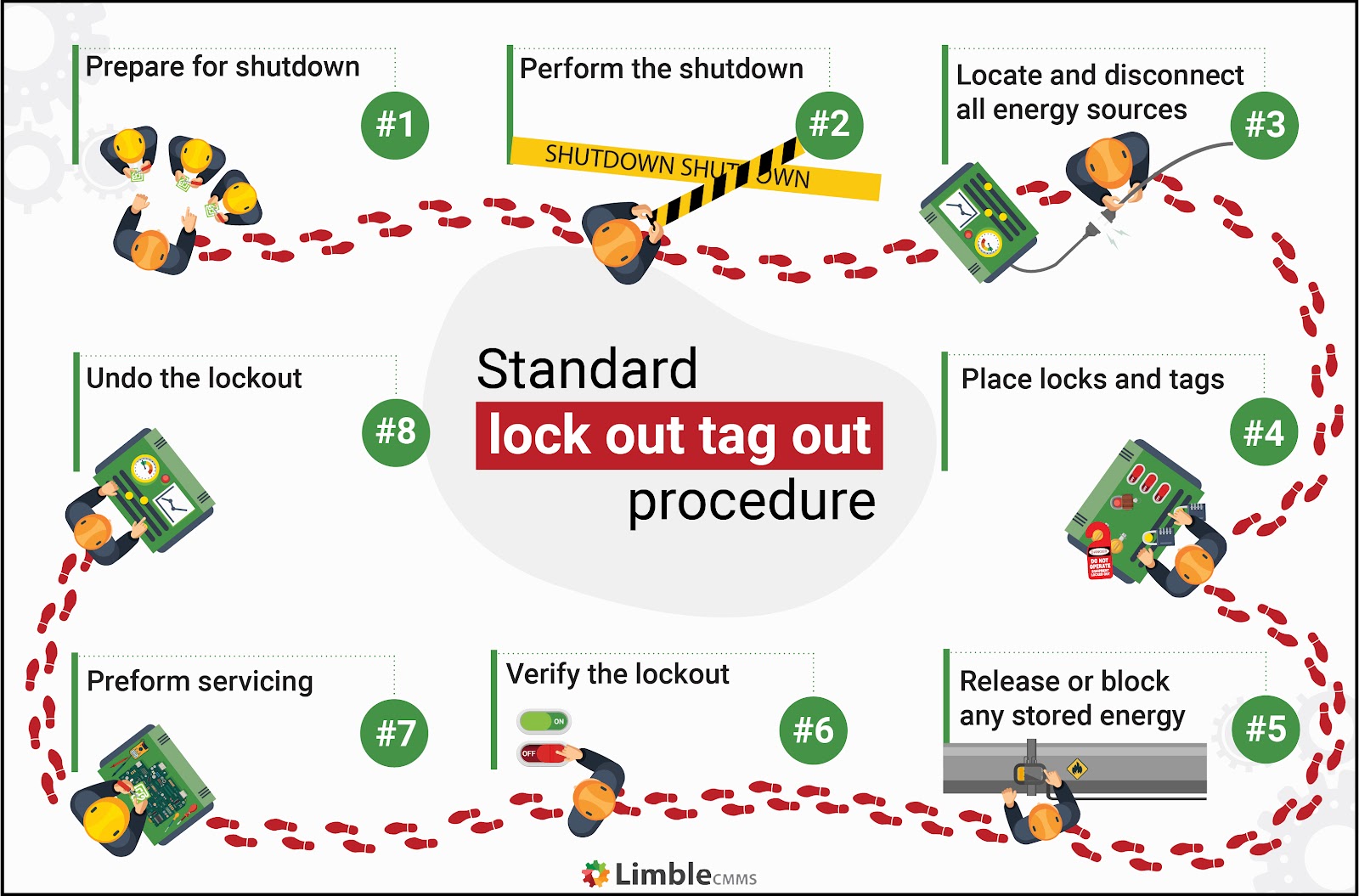
Workers get hurt not because they’re careless—but because they weren’t shown the right way. A verbal explanation of lockout tagout (LOTO) might seem sufficient until someone restarts a machine during maintenance. That’s why a lockout tagout procedure video isn't just a training aid—it’s a liability shield.
These videos turn abstract safety protocols into visual, repeatable actions. They standardize training, reduce human error, and meet OSHA’s strict documentation requirements. Whether you're running a food processing plant or managing maintenance crews in a chemical facility, a clear LOTO video can mean the difference between a routine shutdown and a catastrophic incident.
Here’s how to create, use, and distribute effective LOTO procedure videos that workers actually watch—and remember.
What a Lockout Tagout Procedure Video Actually Does
A lockout tagout procedure video isn’t just someone filming a technician placing a lock on a valve. It’s a structured demonstration of how to control hazardous energy sources during servicing or maintenance.
It shows: - Identification of energy sources (electrical, hydraulic, pneumatic, chemical, thermal) - Proper sequence for shutting down equipment - Application of locks and tags by authorized employees - Verification of zero energy state - Steps for safe re-energization
When done right, the video becomes a go-to reference—not just for training, but for audits, safety refreshers, and incident investigations.
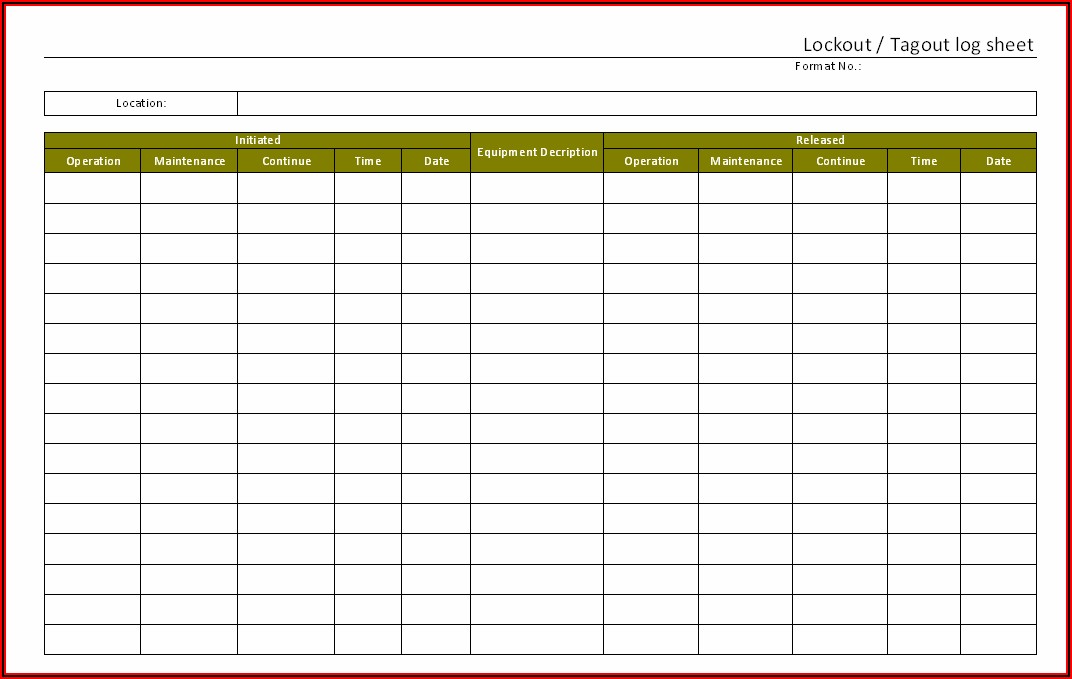
Real-world example: A manufacturing plant in Ohio reduced its maintenance-related incidents by 68% within a year of implementing equipment-specific LOTO videos. Technicians reported feeling more confident because they could rewatch the exact steps for complex machinery before starting work.
Why Video Outperforms Paper Checklists and Verbal Instructions
Paper-based LOTO procedures have limitations: - They’re easily lost or outdated - Workers may misinterpret written steps - No consistency across shifts or trainers
Video fixes these gaps.
Advantages of Using Video for LOTO Training:
- Visual reinforcement: Seeing a technician test for residual voltage is more impactful than reading “verify isolation.”
- Standardization: Every employee sees the same demo, reducing trainer bias.
- Repeatability: Workers can review the video before starting high-risk tasks.
- OSHA readiness: Digital records prove training occurred and was consistent.
A 2023 EHS survey found that 79% of safety managers using video training reported higher compliance rates during OSHA inspections compared to those relying on printed manuals.
Common mistake: One-size-fits-all videos. A generic “how to lockout a motor” video fails when your facility uses unique control panels. Always customize.
Key Elements of an Effective Lockout Tagout Video
Your LOTO video must be more than technically correct—it needs to be usable.
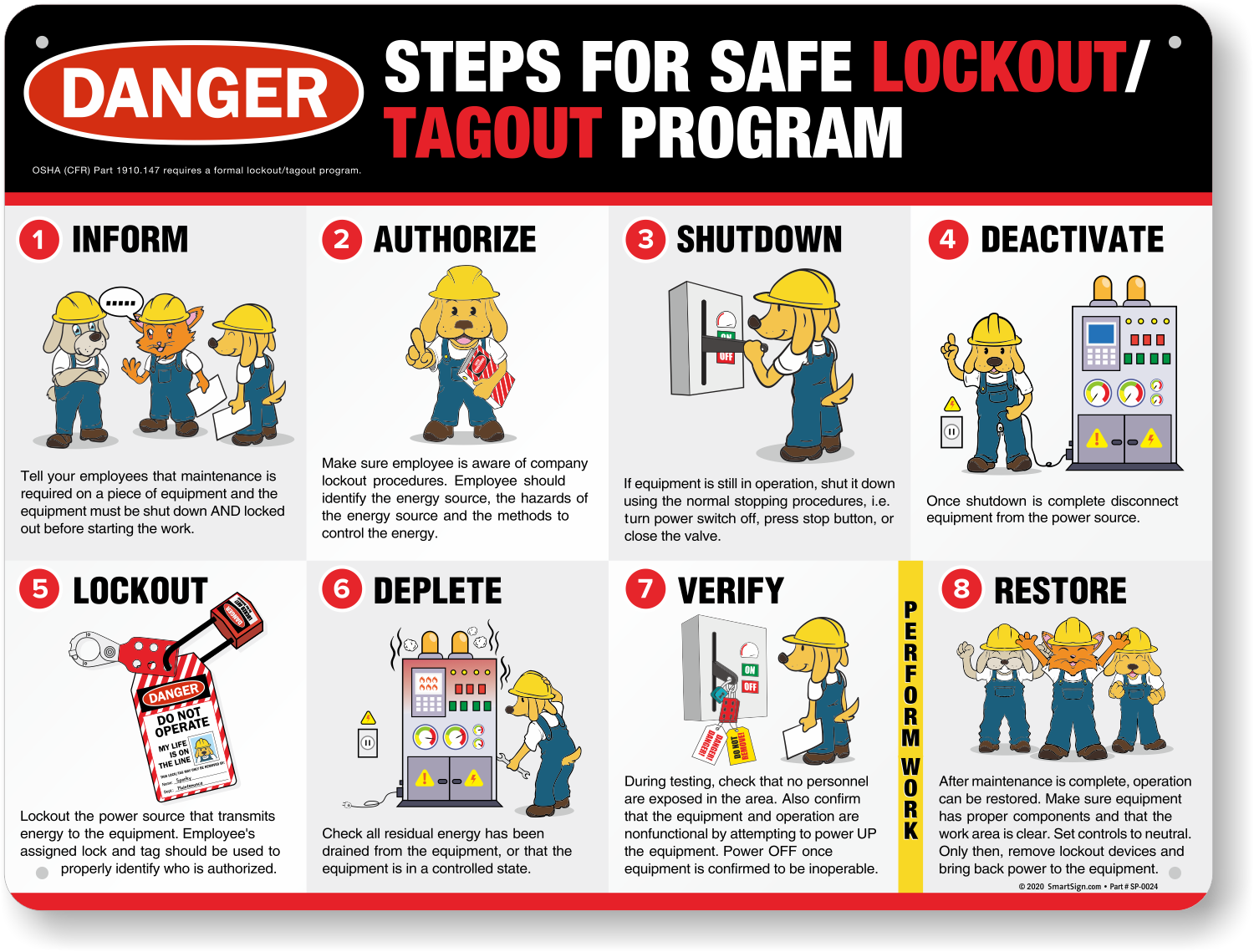
1. Start with Equipment-Specific Procedures Don’t create a general “LOTO basics” video and call it a day. Each major machine should have its own video showing: - Exact lock placement points - Location of energy disconnects - Required PPE - Tag content (name, date, reason)
2. Show, Don’t Just Tell Use close-ups to display:
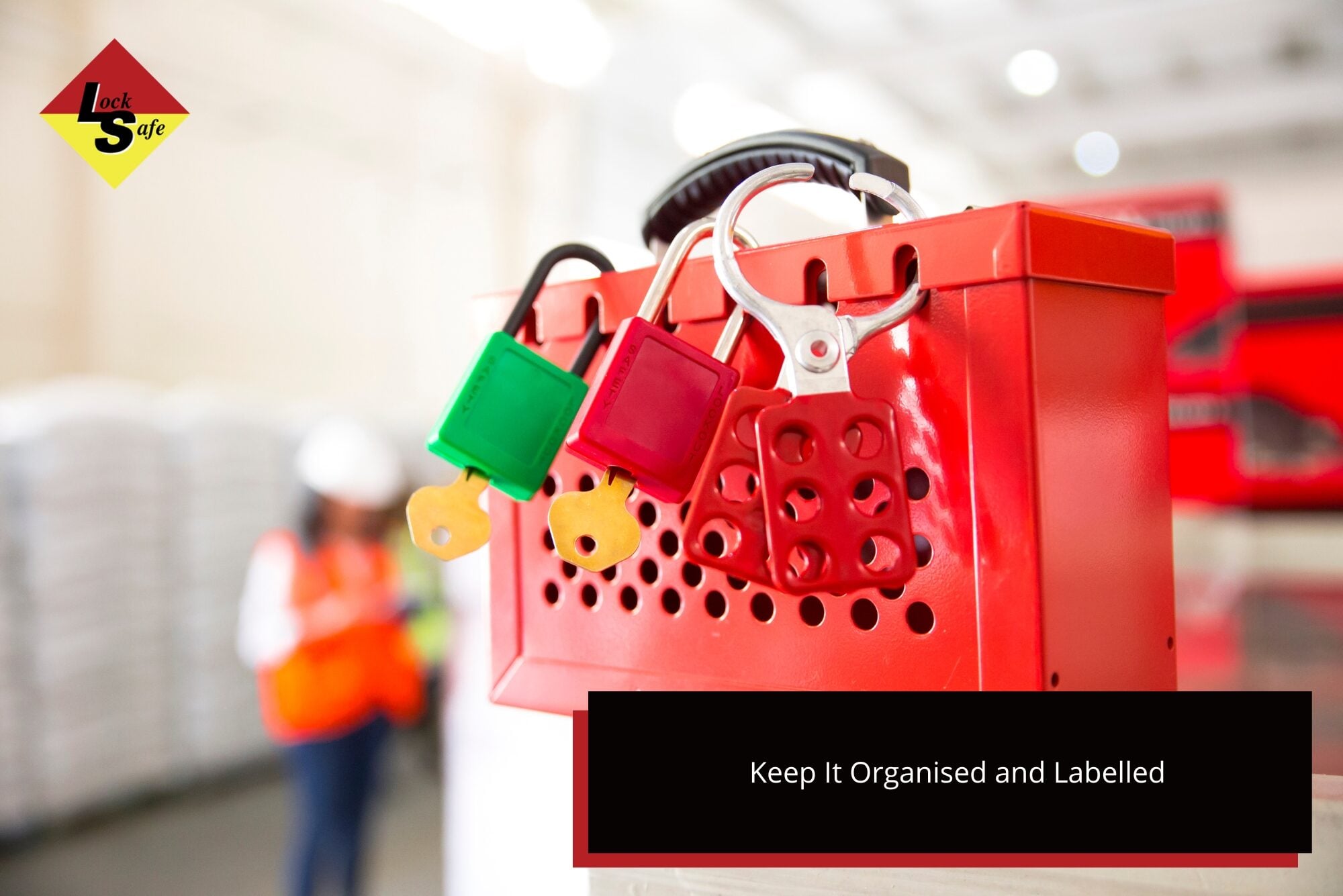
- How to apply a hasp and lock
- Where to place the danger tag
- How to bleed residual pressure
Add on-screen text overlays for key steps: “Verify zero energy with a multimeter.”
3. Include Verification Steps
Many workers skip verification because it’s not emphasized. Your video should show: - Testing circuits with a voltage tester - Trying to restart the machine after isolation - Confirming no stored energy remains
Pro tip: Film a side-by-side comparison—what happens when someone skips verification vs. following full procedure.
4. Keep It Under 5 Minutes Attention drops after 4–5 minutes. Break complex systems into modular videos: one for shutdown, one for isolation, one for restart.
5. Narrate with Clarity, Not Flair Use a calm, clear voice. Avoid jargon like “de-energize” without explanation. Say, “Turn off the power at the main breaker and confirm it’s off with a tester.”
How to Create a LOTO Procedure Video (Step-by-Step)
You don’t need a Hollywood crew. You need clarity and compliance.
Step 1: Map Out the Procedure Work with maintenance leads to document every step for a specific machine. Include: - Equipment ID - Energy types involved - Authorized personnel - Lockout points
Step 2: Script the Video Write a short script that walks through:
- Pre-shutdown communication
- Machine shutdown
- Isolation of all energy sources
- Lock and tag application
- Verification
- Restart protocol
Keep sentences under 15 words.
Step 3: Film in Real Conditions Use a high-resolution phone or camera. Film in the actual workspace—same lighting, noise, PPE.
Shoot multiple angles: - Wide shot of the technician approaching - Close-up of lock placement - POV of testing for power
Step 4: Edit for Clarity Trim dead air. Add:
- Numbered steps
- Callouts (“Step 3: Isolate hydraulic line”)
- Warnings (“Never assume the machine is off—always test”)
Step 5: Host and Distribute Upload to a secure internal platform (like a company LMS or intranet). Ensure offline access for floor staff.
Workflow tip: Assign a “video steward” per department to update videos when equipment changes.
Top 5 Platforms for Hosting LOTO Procedure Videos
You can’t store safety-critical videos on public YouTube channels. Use platforms built for control and access.

| Platform | Best For | Key Feature |
|---|---|---|
| Tovuti LMS | Full training integration | Tracks who watched, quizzes comprehension |
| Intelex EHS | OSHA-compliant documentation | Links videos to equipment records |
| Vimeo Enterprise | High-quality internal streaming | Watermarking, geo-restrictions |
| Microsoft Stream (Business) | Seamless Office 365 use | AI-powered search, access controls |
| SafetyChampions | Safety-specific workflows | Built-in LOTO templates and audit logs |
Choose one that integrates with your existing EHS system. If you’re using paper permits now, start with Microsoft Stream—it’s accessible and secure enough for most mid-sized operations.
Common Mistakes in LOTO Videos (And How to Avoid Them)
Even well-intentioned videos fail when they miss critical details.
❌ Mistake 1: No Verification Demonstration
Many videos show locking but skip proving the machine is dead. This teaches incomplete procedure.
Fix: Always include a 10-second clip of someone testing with a meter or attempting to start the machine.
❌ Mistake 2: Outdated Content A video made two equipment upgrades ago is dangerous.
Fix: Add a revision date on-screen and review annually—or after any change.
❌ Mistake 3: Poor Audio or Lighting If workers can’t hear the narration or see the lock points, the video is useless.
Fix: Film during low-noise hours. Use clip-on mics and portable LED lights.
❌ Mistake 4: Using Non-Authorized Personnel OSHA requires only authorized employees to perform LOTO. If your video shows a safety officer doing the lockout, but maintenance staff do the work, it’s misleading.
Fix: Film actual maintenance technicians following their daily routine.
Integrating LOTO Videos Into Daily Operations
A video sitting in a folder won’t save lives. It needs to be part of the workflow.
Use Cases That Work:
- Pre-job briefing: Play the relevant LOTO video on a tablet before starting maintenance
- New hire training: Embed videos in onboarding modules
- Refresher drills: Quarterly quizzes linked to video segments
- Audit prep: Assign videos to employees ahead of compliance reviews
Realistic example: A wastewater treatment facility schedules automatic LOTO video reminders 24 hours before planned maintenance. Technicians must confirm viewing before check-in.
This reduces “I didn’t know” claims and builds a culture where safety is visible, not just verbal.
Final Thoughts: Make LOTO Videos a Living Part of Safety Culture
A lockout tagout procedure video shouldn’t be a compliance checkbox. It’s a tool for clarity, consistency, and protection.
Start small: pick one high-risk machine. Film the full LOTO sequence. Share it. Get feedback. Then scale.
Your goal isn’t just to meet OSHA 1910.147—it’s to ensure that every technician walks away from a maintenance job alive. A well-made video doesn’t just show how to lock a machine. It shows that you care.
Now go film it.
Frequently Asked Questions
What should a lockout tagout procedure video include? It must show equipment shutdown, isolation of all energy sources, lock and tag application, verification of zero energy, and safe restart steps—specific to the machine.
Who should appear in the video? Only authorized employees trained in LOTO procedures. Use actual maintenance staff, not actors or safety managers.
How long should a LOTO video be? Aim for 3–5 minutes. Longer videos lose attention. Break complex systems into shorter clips.
Can we use YouTube for hosting? Not recommended. Use secure internal platforms to protect sensitive procedures and ensure access control.
How often should LOTO videos be updated? Review annually or immediately after equipment modifications, process changes, or incidents.
Do all machines need their own video? High-risk or complex equipment should have dedicated videos. Similar machines can share if procedures are identical.
Are subtitles necessary? Yes. They improve accessibility and understanding in noisy environments where audio isn’t practical.
FAQ
What should you look for in Lockout Tagout Procedure Video Guide for Workplace Safety? Focus on relevance, practical value, and how well the solution matches real user intent.
Is Lockout Tagout Procedure Video Guide for Workplace Safety suitable for beginners? That depends on the workflow, but a clear step-by-step approach usually makes it easier to start.
How do you compare options around Lockout Tagout Procedure Video Guide for Workplace Safety? Compare features, trust signals, limitations, pricing, and ease of implementation.
What mistakes should you avoid? Avoid generic choices, weak validation, and decisions based only on marketing claims.
What is the next best step? Shortlist the most relevant options, validate them quickly, and refine from real-world results.