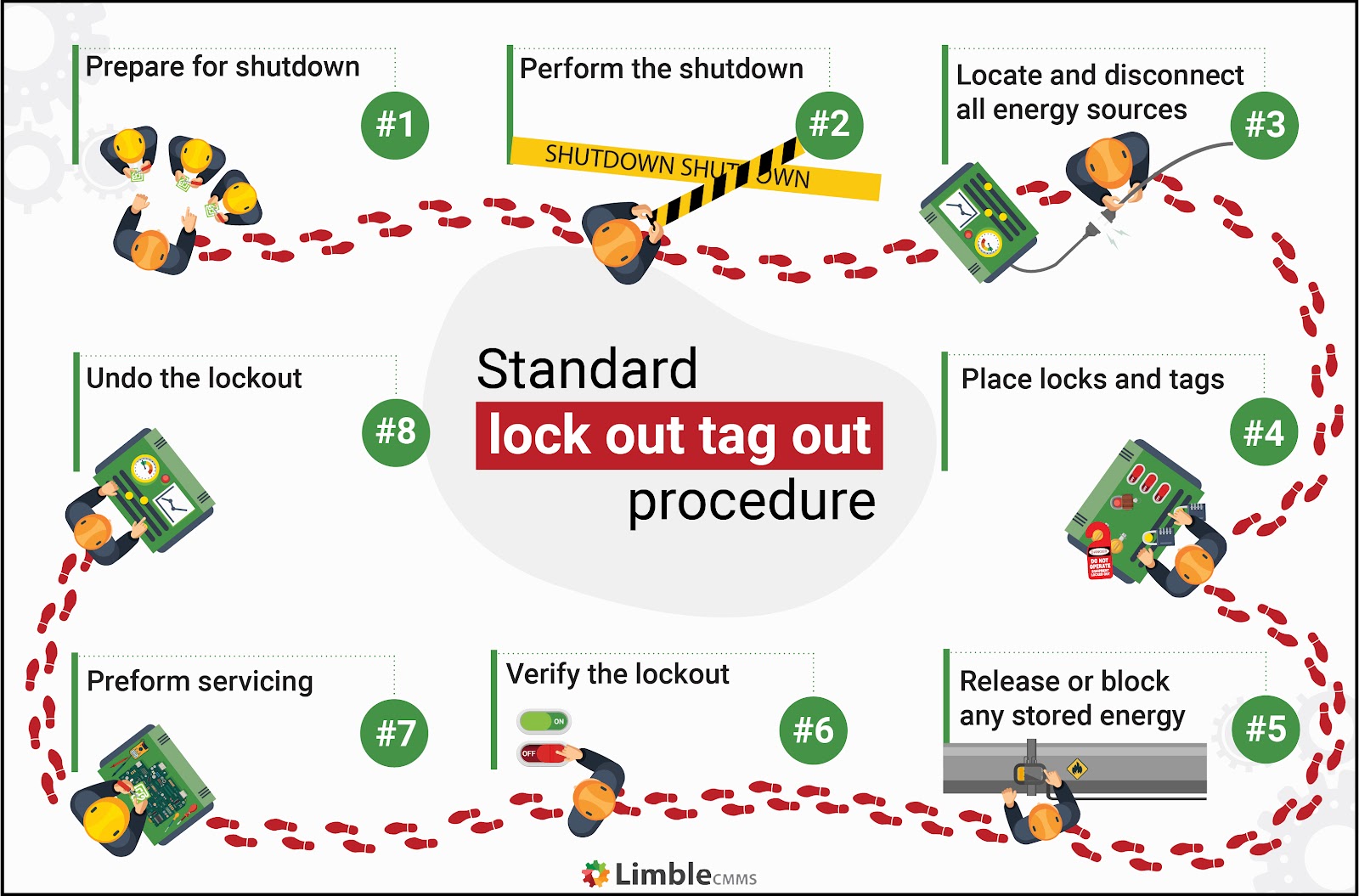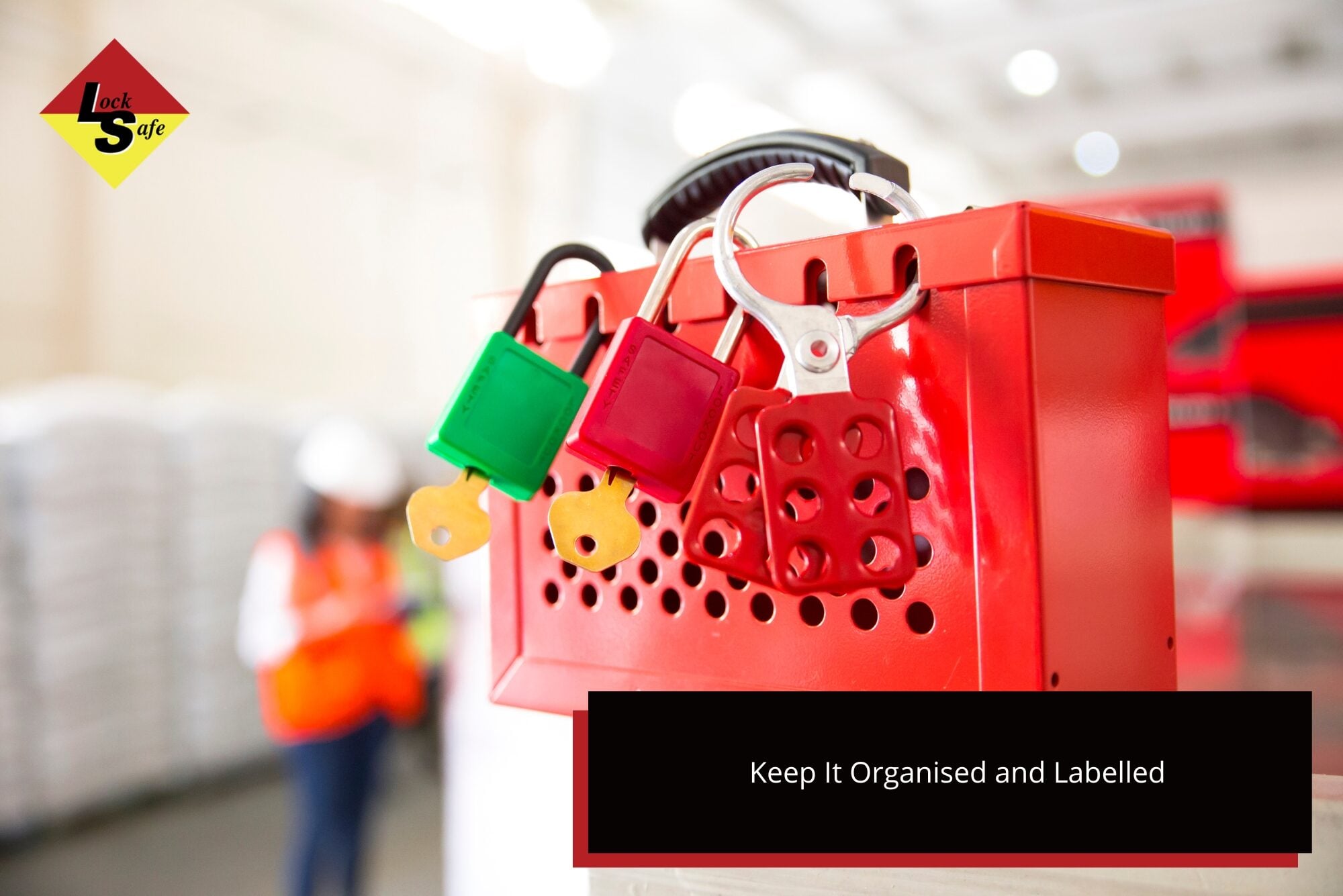
Every year, hundreds of workers suffer serious injuries—or worse—during equipment maintenance. The cause? Failure to properly de-energize machinery. A momentary lapse in safety protocol can lead to catastrophic results. Lockout tagout (LOTO) boards and locks exist to prevent exactly this. They’re not just compliance checkboxes; they’re engineered systems that enforce accountability, visibility, and control when workers service hazardous energy sources.
From manufacturing floors to utility plants, LOTO systems serve as both physical and procedural safeguards. The core components—lockout boards and safety locks—function as a synchronized defense. But simply hanging a lock isn’t enough. The real power lies in how these tools are integrated into a site-wide energy control program.
This guide breaks down the practical use, selection, and deployment of lockout tagout boards and locks. You’ll learn what makes a board effective, how to choose the right locks, and why poor implementation undermines even the best equipment.
Why Lockout Tagout Boards Are Critical for Safety
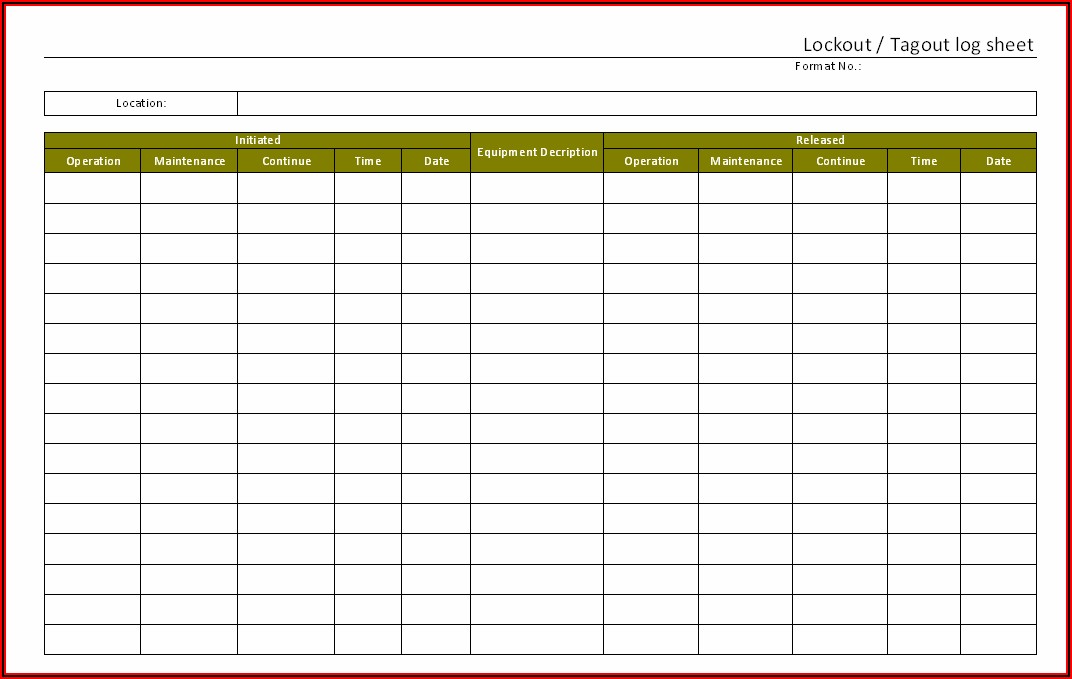
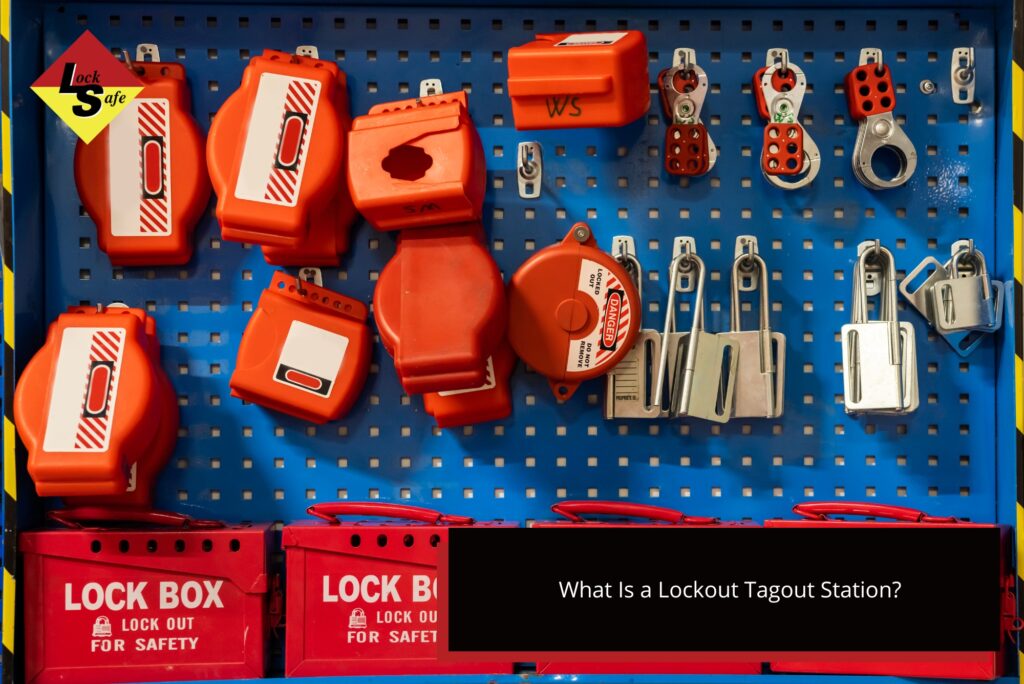
A lockout tagout board is more than a storage rack for locks. It’s a centralized control point for managing isolation procedures across multiple machines or departments. Without it, workers might misplace locks, skip verification steps, or fail to communicate their status during servicing.
Effective boards create visibility. When every technician places their personal lock and tag on the board before starting maintenance, it becomes immediately clear who is working, where, and on what. This transparency prevents accidental re-energization—often the leading cause of LOTO-related incidents.
Real-world example: At a Midwest food processing plant, a conveyor belt was restarted remotely while a technician was clearing a jam. The worker suffered severe lacerations. Investigation revealed no central lockout point—locks were kept in toolboxes, and communication was verbal. After installing a master LOTO board with individual lock stations, unauthorized re-energization dropped to zero.
A well-designed board includes: - Dedicated slots for each authorized employee - Clear labeling for machines or zones - Space for tags, logbooks, and procedure references - Durable, non-conductive materials
Boards should be placed near high-risk equipment or in central maintenance areas. Wall-mounted units are common, but mobile lockout carts work in dynamic environments like construction or HVAC servicing.
How Lockout Locks Prevent Unauthorized Access
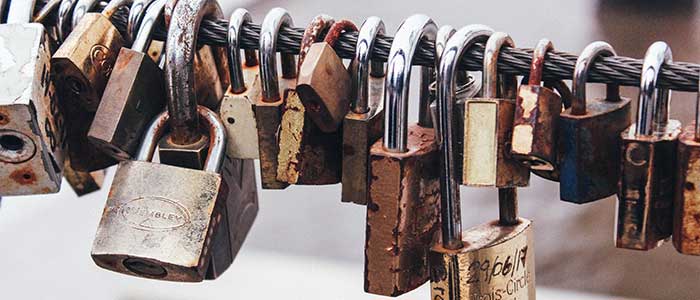
Lockout locks are the physical enforcement mechanism in any LOTO system. Unlike standard padlocks, these are designed specifically for safety isolation. They’re color-coded, standardized in size, and often key-retaining—meaning the key stays in the lock until it’s unlocked, preventing accidental loss.
Common types include: - Padlock-style locks – Most widely used, available in multiple shackle lengths and materials - Valve lockouts – Clamp over gas, water, or hydraulic line valves - Circuit breaker lockouts – Secure breakers in the off position - Plug lockouts – Cover electrical outlets to block energizing
One frequent mistake: using personal locks that aren’t part of a standardized LOTO program. A regular household padlock may fit, but it lacks the required durability and doesn’t integrate with company-wide safety tracking.
Another issue: shared locks. OSHA requires that each authorized employee apply their own lock. This ensures individual accountability. If a worker goes home sick and leaves a machine locked out, the procedure requires formal management override—not simple removal by a coworker.
Pro tip: Use a numbering system on locks that ties back to employee records. This allows quick identification during shift changes or emergencies.
Designing an Effective Lockout Tagout Station
A lockout tagout station is a complete assembly—board, locks, tags, and procedural materials—organized for consistent use. Its design impacts compliance more than most realize.
Start by assessing your environment: - Number of machines requiring isolation - Number of authorized personnel - Types of energy sources (electrical, pneumatic, chemical, etc.)
From there, choose a board with enough stations. A 10-person team servicing 15 machines needs at least 10 personal lock slots and space for group lockout procedures.
Key features of high-performance stations: - Weather-resistant materials for outdoor or washdown areas - Magnetic or Velcro-backed tags for quick updates - Built-in checklist displays - Compartments for spare locks, tags, and keys
Some advanced stations include digital integration—QR codes that link to machine-specific LOTO procedures or NFC tags that log user activity. While not required, they add traceability and training support.
Case in point: A pharmaceutical facility reduced LOTO errors by 68% after switching from loose paper tags to a modular board with embedded digital checklists. Technicians scanned a code, confirmed isolation steps, and placed their lock—ensuring every step was documented.
Common LOTO Implementation Mistakes (And How to Fix Them)
Even facilities with boards and locks often fall short in practice. Here are frequent gaps and solutions:
1. Incomplete procedures Many sites have generic LOTO steps like “turn off machine.” That’s not enough. Procedures must specify how to isolate—exact breaker numbers, valve positions, bleed-off points.
Fix: Develop machine-specific LOTO checklists. Include diagrams and isolation points.
2. Missing group lockout protocols During team maintenance, only one person may lock out, creating a false sense of safety.
Fix: Use a group lockout hasp. Each worker applies their personal lock to the hasp, which secures the energy isolation point.
3. Tags without locks Tagging alone doesn’t comply with OSHA. Tags are warnings; locks are barriers.
Fix: Enforce a “no tag without lock” policy. Tags should include name, date, reason, and contact info.
4. Poor board placement If the board is in a back office, workers won’t use it.
Fix: Install the board near the equipment or at the entrance to high-risk zones.
5. Infrequent audits LOTO programs decay without review.
Fix: Conduct monthly inspections. Test lock functionality, verify tag accuracy, and observe actual use.
Top 5 Lockout Tagout Board Systems
Not all boards are created equal. Here are five reliable, widely used systems tailored to different operational needs:
| Product | Best For | Key Features | Capacity |
|---|---|---|---|
| Seton Master Lockout Station | Mid-sized manufacturing | Color-coded lock slots, included tags, wall-mount | 10–20 users |
| Brady B2100 LOTO Cabinet | Harsh environments | Lockable, weatherproof, internal lighting | Up to 25 locks |
| Grainger Heavy-Duty Lockout Board | High-traffic facilities | Steel construction, customizable labels | 12–30 slots |
| Johnson Controls SafetyHub | Digital integration | QR code access, procedure storage, audit logs | Scalable |
| SafelyLock Mobile Lockout Cart | Multi-site or field work | Wheeled, portable, includes tool storage | 6–15 users |
Each system balances durability, scalability, and usability. The best choice depends on your facility’s size, risk profile, and workforce structure.
The Role of Tags in a LOTO System
Tags are the communication layer of lockout. While locks physically prevent operation, tags explain why and who. A proper tag includes: - Employee name - Department - Date and time applied - Machine or system isolated - Reason for lockout - Contact information
OSHA-standard tags must be durable, tamper-resistant, and high-visibility (typically red with bold lettering).
One limitation: tags alone don’t meet compliance. A valve with a “Do Not Operate” tag but no lock can still be turned. Always pair tags with locks.
Tip: Use pre-printed tag templates to reduce errors. Handwritten tags are acceptable but prone to omissions.
Integrating LOTO Into Daily Workflows
The most advanced board won’t help if it’s used inconsistently. Integration starts with training—but doesn’t end there.
Best practices: - Require LOTO verification in shift handover reports - Include lockout status in pre-startup safety reviews - Use visual indicators (e.g., green/yellow/red lights) on boards to show isolation status - Conduct unannounced drills to test response
A paper mill in Oregon reduced equipment-related incidents by 74% over 18 months by embedding LOTO checks into daily safety huddles. Supervisors reviewed lock status before any maintenance began—no exceptions.
Automation helps too. Some systems now integrate with SCADA or building management platforms to electronically confirm isolation before allowing physical access.
Choosing the Right Locks: Material, Size, and Compatibility
Not all safety locks are interchangeable. The wrong shackle length or material can compromise isolation.
Consider: - Shackle length – Must fully engage the lockout point without strain - Material – Stainless steel for corrosive environments, insulated for electrical work - Key control – Keyed-alike locks simplify management, but individual keys enhance accountability - Color coding – Use colors to denote departments or lock types (e.g., red for electrical, blue for mechanical)
Example: A water treatment plant switched from zinc-coated to stainless steel locks after repeated corrosion failures in humid pump rooms. Failure rate dropped from 30% to under 5% annually.
Always verify lock compatibility with your isolation devices—circuit breaker lockouts, valve caps, or plug covers. A mismatched lock that doesn’t seat properly is a hidden risk.
Final Steps to a Reliable LOTO System
Lockout tagout boards and locks are only as strong as the system behind them. Install the board, issue the locks, but don’t stop there. Train rigorously. Audit monthly. Update procedures as equipment changes.
Most importantly, treat LOTO as a culture, not a checklist. When every technician sees their lock on the board not just as a rule, but as a promise of safety, you’ve built something that lasts.
Equip your team with the right tools. Standardize your approach. And never assume that yesterday’s compliance is enough for today’s risks.
Deploy your LOTO system with discipline—because the next life it saves could be your own.
Frequently Asked Questions
What is the purpose of a lockout tagout board? It centralizes control of energy isolation by providing a visible, organized system for placing and tracking personal locks and tags during maintenance.
Can I use any padlock for lockout? No. Only safety locks designed for LOTO should be used. They must be durable, standardized, and identifiable as safety devices—not regular padlocks.
How many locks can go on a single isolation point? As many as needed—one per authorized employee. Group lockout hasps allow multiple locks on a single energy control point.
Do tags replace locks? No. Tags are warnings; locks are physical restraints. OSHA requires both, but the lock is the primary safeguard.
Who can remove a lockout device? Only the employee who applied it, or under a formal, documented procedure involving management and verification of employee whereabouts.
What materials are best for lockout locks? Stainless steel for wet or corrosive areas, insulated brass for electrical work, and standard steel for general use.
How often should LOTO boards be inspected? At least monthly, or after any incident. Regular checks ensure locks function, tags are complete, and procedures remain current.
FAQ
What should you look for in Lockout Tagout Boards and Locks: The Complete Guide? Focus on relevance, practical value, and how well the solution matches real user intent.
Is Lockout Tagout Boards and Locks: The Complete Guide suitable for beginners? That depends on the workflow, but a clear step-by-step approach usually makes it easier to start.
How do you compare options around Lockout Tagout Boards and Locks: The Complete Guide? Compare features, trust signals, limitations, pricing, and ease of implementation.
What mistakes should you avoid? Avoid generic choices, weak validation, and decisions based only on marketing claims.
What is the next best step? Shortlist the most relevant options, validate them quickly, and refine from real-world results.