Colleges were meant to be spaces of open inquiry, intellectual growth, and civil discourse. Instead, many campuses today are battlegrounds—divided not by academics, but by ideology, identity, and power. Campus wars aren’t about physical combat, but control: over curriculum, student organizations, speech policies, and institutional narratives. These conflicts ripple beyond lecture halls, influencing national politics, media cycles, and the future of free expression.
Understanding campus wars means moving past headlines of shouting matches or canceled speakers. It’s about recognizing the structural tensions—historical, cultural, and political—that turn universities into proxies for larger societal divides.
What Are Campus Wars?
Campus wars refer to sustained ideological, political, or cultural conflicts within university environments. These aren’t one-off protests or isolated debates. They’re recurring, high-stakes confrontations involving:
- Student groups clashing over policy or representation
- Faculty divided on academic freedom and curriculum content
- Administrators balancing safety, legality, and public image
- External actors (donors, politicians, media) influencing internal affairs
Such wars often center on issues like:
- Free speech vs. hate speech
- DEI (Diversity, Equity, Inclusion) initiatives
- Israel-Palestine debates
- Gender and sexuality policies
- Curriculum reform (e.g., critical race theory)
These aren’t abstract debates—they shape who gets hired, what gets taught, and whether students feel safe expressing their views.
Real-World Example: The 2023–2024 Campus Protests
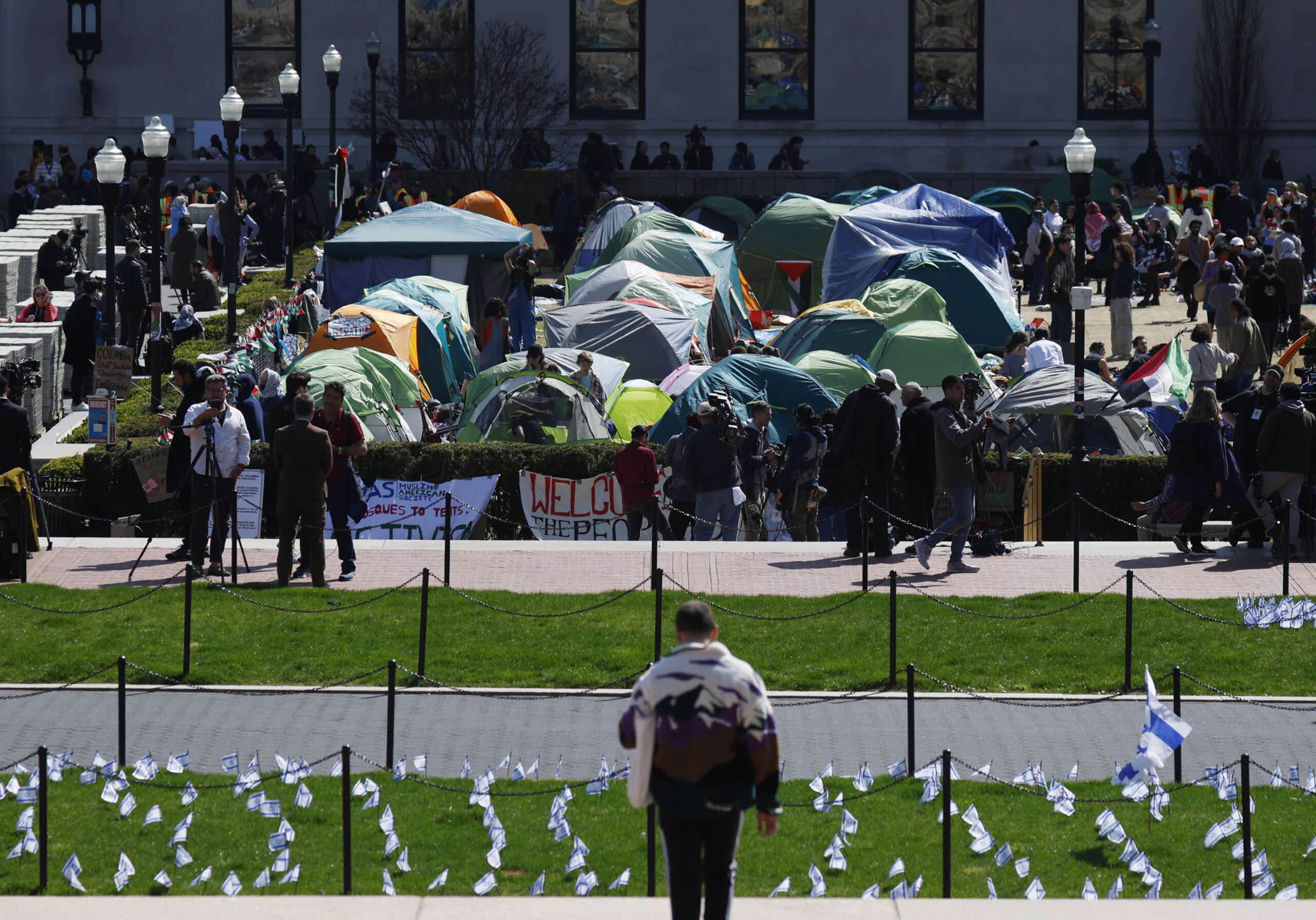
During 2023 and 2024, encampments erupted at over 30 U.S. universities in response to the Israel-Hamas conflict. What began as peaceful vigils escalated into clashes with campus police, administrative crackdowns, and federal investigations. At Columbia University, protesters occupied a quad for weeks, demanding divestment from companies linked to Israel. The administration called in NYPD, leading to mass arrests.
But deeper tensions emerged:
- Students accused the university of silencing pro-Palestinian voices
- Jewish students reported feeling unsafe due to rhetoric at protest sites
- Faculty split—some endorsed the protests; others condemned intimidation tactics
- Donors threatened to withdraw funding
This wasn’t just about foreign policy. It exposed fault lines in how universities handle dissent, safety, and competing rights.
Why Campus Wars Matter
Universities are microcosms of society. How they manage conflict sets precedents for broader cultural norms.
1. Free Speech Under Pressure
The First Amendment applies on public campuses, but enforcement is inconsistent. Private universities have more leeway to regulate speech, leading to accusations of bias.
Common issues:
- Speaker disinvitations (e.g., conservative speakers blocked by student groups)
- Punitive responses to controversial opinions (e.g., faculty reprimanded for social media posts)
- "Safe space" policies that inadvertently suppress debate
A 2023 Foundation for Individual Rights in Education (FIRE) report found that 62% of students believe their campus climate prevents open discussion of political topics. That’s not safety—it’s silence enforced by peer pressure.
2. Student Activism: Empowerment or Intimidation?
Student activism has driven real change—from civil rights to climate action. But when activism crosses into coercion, it undermines its own goals.
Signs of problematic activism:
- Doxxing or social media harassment of dissenters
- Pressuring administrators to fire or discipline faculty
- Creating exclusionary spaces based on identity or belief

At one Midwest university, a student group published a list of “problematic” professors, urging others not to enroll in their classes. The campaign relied on out-of-context quotes and ideological litmus tests—effectively a blacklist.
True activism invites dialogue. Coercion shuts it down.
The Role of University Administrators
Administrators are caught in the middle. They answer to boards, donors, accreditors, and state legislatures—while managing student safety and academic integrity.
Their responses often reflect risk management, not principle.
Common Administrative Failures
| Failure | Consequence |
|---|---|
| Delayed response to conflicts | Escalation of tensions |
| Over-policing of protests | Erosion of student trust |
| Under-policing of threats | Safety risks for minority groups |
| Politicized hiring or disciplinary actions | Loss of academic credibility |
A balanced approach requires transparency, consistent policy application, and a commitment to viewpoint diversity—not just identity diversity.
Faculty Divisions and Academic Integrity
Campus wars aren’t just student-driven. Faculty are deeply involved—sometimes as mediators, sometimes as combatants.
The Curriculum as a Frontline
Debates over what should be taught have become ideological battlegrounds:
- Should Western canon courses be required?
- Is critical race theory appropriate in undergrad programs?
- How should gender studies programs define membership or curriculum?
At a major state university, a proposal to revise the first-year humanities syllabus sparked a year-long faculty feud. One side argued for greater inclusion of non-Western texts. The other warned against “ideological dilution” of core knowledge. The conflict stalled curriculum updates and damaged departmental morale.
Academia thrives on debate—but when debate becomes tribal, scholarship suffers.
External Forces Fueling the Fire
Campus wars don’t happen in a vacuum. Outside groups pour resources into university conflicts to advance broader agendas.
Key Players
- Political organizations – Push for or against policies like DEI offices or speech codes
- Media outlets – Amplify extreme moments, often misrepresenting context
- Donors – Threaten funding cuts unless institutions conform to their views
- Social media influencers – Mobilize online mobs against professors or students
In one case, a viral TikTok video showed a professor making a nuanced comment about colonialism—edited to appear anti-American. The backlash led to death threats and a formal inquiry, despite the full lecture showing balanced analysis.
This external pressure distorts internal discourse, turning academic disagreement into national scandals.
How Students Can Navigate Campus Wars
Students shouldn’t have to choose between safety and free expression. But in polarized environments, they need strategies to stay grounded.
Practical Tips
- Diversify your circles – Engage with people across the ideological spectrum. You’ll gain perspective and reduce echo chamber effects.
- Verify before sharing – Before reposting campus controversies, check full context. Misinformation spreads faster than truth.
- Use official channels – Report threats or harassment through university systems, not social media firestorms.
- Join viewpoint-diverse clubs – Groups like BridgeUSA or Heterodox Academy promote civil discourse.
- Focus on learning – Remember: your primary mission is education, not winning ideological battles.
Students who model curiosity over condemnation often become de facto leaders—without needing a megaphone.
The Long-Term Impact on Higher Education
Campus wars aren’t temporary flare-ups. They’re reshaping the DNA of higher education.
Emerging Trends
- Declining trust in institutions – Gallup data shows only 36% of Americans have “a great deal” or “quite a lot” of confidence in higher education.
- Rise of alternative credentials – More students are skipping college for bootcamps, apprenticeships, or self-directed learning.
- Increased political oversight – States like Florida and Texas have passed laws restricting DEI programs and certain course content.
- Polarization in hiring – Some departments struggle to hire across ideological lines, risking groupthink.
If universities can’t model civil discourse, why should society trust them to prepare future leaders?
A Path Forward: Reclaiming the Campus
Campus wars won’t end overnight. But institutions can take concrete steps to de-escalate and rebuild.
Actionable Strategies
- Adopt viewpoint neutrality policies – Commit to protecting all lawful speech, not just preferred speech.
- Train moderators for debates – Use skilled facilitators to ensure discussions remain respectful and structured.
- Create “brave spaces” – Unlike “safe spaces,” brave spaces encourage discomfort as part of growth.
- Audit campus climate regularly – Use anonymous surveys to measure student comfort across ideologies.
- Reward intellectual courage – Recognize faculty and students who engage across divides.
The goal isn’t consensus. It’s coexistence with dignity.
Conclusion: Choose Dialogue Over Division
Campus wars reveal a deeper crisis: the erosion of shared norms for disagreement. Winning an argument shouldn’t mean silencing the other side.
Universities must recommit to their foundational mission—truth-seeking through open inquiry. That means protecting speech you dislike, engaging with ideas you oppose, and rejecting the impulse to treat opponents as enemies.
The next generation doesn’t need more warriors. It needs more listeners, thinkers, and bridge-builders. The campus should be where they learn how.
FAQs
What triggers campus wars? Campus wars are often triggered by controversial events—such as a speaker invitation, policy change, or global crisis—that expose deeper ideological divides within the university community.
Are campus protests always part of campus wars? No. Peaceful, constructive protests are healthy. They become part of campus wars when they foster sustained division, intimidation, or administrative crisis.
Do campus wars affect academic quality? Yes. When faculty self-censor or departments prioritize ideology over scholarship, academic rigor declines. Students receive a narrower, less challenging education.
How can parents help students navigate campus conflicts? Encourage critical thinking, media literacy, and engagement with diverse viewpoints. Help them understand the difference between discomfort and danger.
Are private universities more or less prone to campus wars? Private universities often face less legal obligation to protect free speech, which can lead to quicker suppression of dissent—but also fewer regulatory battles. Public institutions face more legal scrutiny but greater pressure from state politics.
Can campus wars lead to policy changes? Yes. Sustained pressure from student movements has led to changes like fossil fuel divestment, expanded mental health services, and revised campus policing policies.
Is there a link between social media and campus wars? Absolutely. Social media accelerates the spread of outrage, distorts context, and enables external actors to inflame campus tensions rapidly.
FAQ
What should you look for in Campus Wars: The Hidden Battle for Influence in Higher Ed? Focus on relevance, practical value, and how well the solution matches real user intent.
Is Campus Wars: The Hidden Battle for Influence in Higher Ed suitable for beginners? That depends on the workflow, but a clear step-by-step approach usually makes it easier to start.
How do you compare options around Campus Wars: The Hidden Battle for Influence in Higher Ed? Compare features, trust signals, limitations, pricing, and ease of implementation.
What mistakes should you avoid? Avoid generic choices, weak validation, and decisions based only on marketing claims.
What is the next best step? Shortlist the most relevant options, validate them quickly, and refine from real-world results.