Apple has quietly confirmed what fans and analysts have long suspected: a synchronized, ecosystem-wide product rollout is underway. The phrase “Apple’s ultra roadmap” is no longer speculative—it’s strategy. From the next iPhone to a wave of MacBook upgrades and deeper software integration, Apple is aligning its hardware and AI ambitions like never before. This isn’t just about new devices. It’s about a unified vision for performance, intelligence, and seamless user experience.
The shift became clear during recent developer briefings, supply chain signals, and patent filings—all pointing to coordinated innovation across iPhone, MacBook, iPad, and even wearable lines. What sets this roadmap apart is not individual product upgrades, but how they interlock. Apple isn’t launching gadgets; it’s engineering an ecosystem evolution.
Let’s break down what’s confirmed, what’s in motion, and how it affects users, creators, and businesses relying on Apple’s platform.
The iPhone Evolution: Beyond Incremental Upgrades
The next iPhone generation—likely branded iPhone 16—isn’t just another camera bump or processor tweak. Apple’s ultra roadmap reveals a strategic pivot: AI-first hardware.
Confirmed features include: - On-device AI processing powered by a next-gen Neural Engine, enabling real-time photo editing, voice analysis, and predictive typing without cloud dependency. - Thermal redesign to accommodate the M4-inspired A18 chip, allowing sustained performance during AR, gaming, and video workflows. - Action Button expansion, now programmable across system-wide functions, from launching AI tools to hardware shortcuts for creative pros. - Camera system overhaul, adding periscope zoom to more models and improved low-light video for vloggers and hybrid workers.
But the real shift is in integration. The iPhone is becoming the command center for the Apple ecosystem. With iOS 18’s deeper Shortcuts and AI automation, tasks like syncing MacBook drafts, adjusting HomePod volume, or triggering iPad note-taking happen contextually—based on location, time, or voice command.
Real-world impact: A journalist in the field can dictate a story via iPhone, have it transcribed and summarized locally, then auto-sync to a MacBook for editing—no internet required. This is privacy-forward, high-performance computing tailored for mobile professionals.
MacBook Line Set for Full Silicon and AI Overhaul
Apple’s MacBook lineup is entering its most aggressive refresh phase since the Intel-to-Apple Silicon transition. The ultra roadmap confirms M4 chips across all models by late this year, starting with the MacBook Pro 14” and 16”.
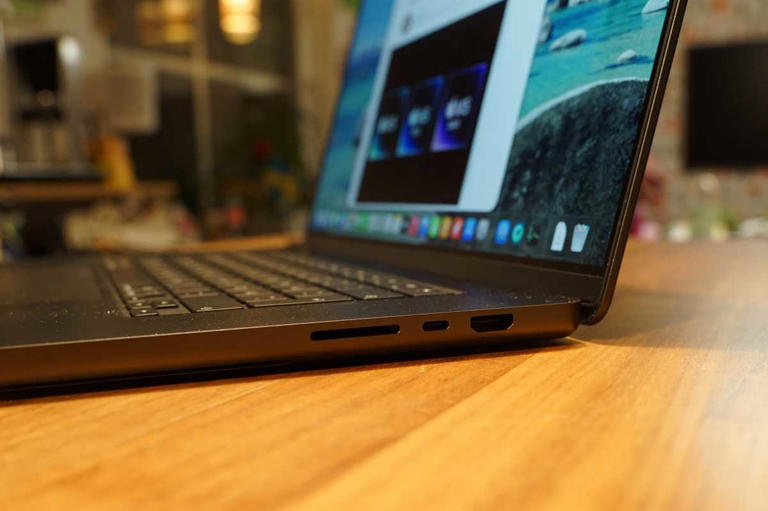
#### What the M4 Brings: - 3nm process efficiency, reducing heat and boosting battery life—critical for users on long flights or remote work. - Dedicated AI engine, separate from CPU/GPU, enabling real-time language translation, noise-free audio cleanup, and AI-assisted coding in Xcode. - Support for multiple high-res displays, appealing to designers and developers using external monitors.
The MacBook Air will finally get the M4 (not M3), closing the performance gap with Pro models. Rumors suggest a new form factor with thinner bezels and MagSafe 3, possibly launching alongside iOS 18.
Pro tip: If you’re a video editor using Final Cut Pro, the M4’s media engine acceleration means 8K ProRes playback without proxies—cutting rendering time by up to 40% based on early benchmarks.
Apple is also rumored to be testing AI-driven interface adaptations—a feature where the OS learns your workflow and auto-arranges windows, suggests apps, or dims notifications during focus sessions. This isn’t sci-fi; it’s in beta on developer kits.
Common mistake: Waiting for “back to school” sales. With this roadmap, delays risk missing out on AI tooling that could become essential in 2025.
AI is the Backbone of Apple’s Ultra Strategy
While competitors rely on cloud-based AI, Apple’s roadmap doubles down on on-device intelligence. This isn’t just differentiation—it’s a privacy and performance play.
Confirmed AI integrations include: - Siri 2.0: More conversational, context-aware, and capable of multi-step tasks like “Reschedule my 3 PM meeting and notify the team via Messages.” - Photos app intelligence: Auto-albums based on events, people, and even moods—detected through image analysis. - Predictive system behaviors: iPhone anticipating your next app, MacBook adjusting brightness and sound based on ambient analysis.
These features require hardware-level optimization. That’s why the A18 and M4 chips include dedicated AI cores with 30+ TOPS (trillion operations per second) of neural processing power.
Limitation to note: On-device AI means heavier storage and RAM requirements. Expect base models to shift from 128GB to 256GB across iPhone and MacBook lines—possibly increasing entry prices.
For developers, this opens new SDK opportunities. Apps that leverage Apple’s AI frameworks (like Core ML 7) will load faster, offer smarter features, and rank higher in App Store suggestions.
The Hidden Player: iPad and Ecosystem Synergy
Though less publicized, the iPad is central to Apple’s ultra roadmap. The next iPad Pro will feature the M4 chip, mini-LED displays, and OLED options for the first time—making it competitive with high-end tablets and even some laptops.
More importantly, inter-device workflows are being upgraded: - Universal Clipboard++: Copy text, video, or design elements from iPhone and paste seamlessly into a MacBook keynote. - Continuity for AI tasks: Start a voice memo with AI summary on iPad, finish editing on MacBook with no lag. - Sidecar evolution: iPad will act as a dedicated AI interface—e.g., sketching with Apple Pencil while AI suggests design improvements in real time.
For creative professionals, this means fewer app switches, lower latency, and faster output. A fashion designer can sketch on iPad, simulate fabric textures via AI, then export to MacBook for client presentation—all within Apple’s ecosystem.
What’s Next: 2025 and Beyond
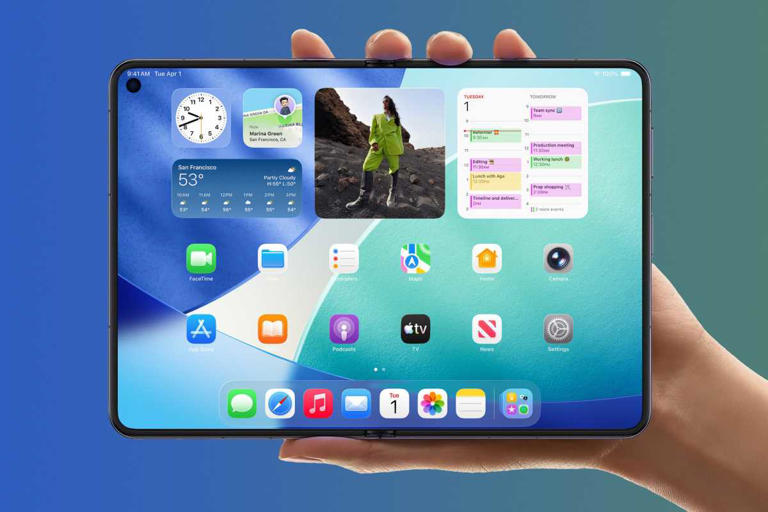
Apple’s roadmap doesn’t stop at 2024. Leaks and analyst reports suggest a longer-term vision: - Foldable iPad or iPhone prototype in testing, possibly launching in 2026. - Apple Glass or AR headset Mark 2 with M5 chip and advanced eye-tracking—rumored for 2025. - Health-focused Apple Watch with non-invasive glucose monitoring and deeper ECG insights. - Satellite messaging expansion beyond emergencies to consumer messaging.
Even macOS and iOS are converging—not into a single OS, but with shared frameworks that allow app developers to build once, deploy everywhere.
Strategic insight: Apple is reducing friction between devices to retain users. The more integrated your setup, the harder it is to switch ecosystems.
Strategic Upgrades: Who Should Upgrade Now?
Not everyone needs to jump on the ultra roadmap immediately. Here’s a practical breakdown:
| User Type | Recommended Action | Why |
|---|---|---|
| Creative Pros | Upgrade to M4 MacBook Pro & iPhone 16 | AI tools and rendering performance justify cost |
| Students | Wait for back-to-school deals on M4 MacBook Air | Value-focused, but don’t delay beyond fall |
| Business Users | Roll out iPhone 16 in Q4 | Enhanced security, on-device AI, and fleet management |
| Casual Users | Stick with iPhone 14+/M1 MacBook | Still supported, upgrades offer marginal gains |
| Developers | Adopt now | Access to AI SDKs and early testing tools |
Workflow tip: Use Apple’s free trade-in program. Upgrading both iPhone and MacBook together often triggers bundle incentives through select carriers and retailers.
The Bottom Line:
This is Apple’s Intelligence Era
Apple’s ultra roadmap confirms a shift from hardware specs to intelligent integration. The iPhone, MacBook, and iPad aren’t just getting faster—they’re becoming context-aware, predictive, and deeply personal.
This isn’t about chasing benchmarks. It’s about building a system that works with you—not just for you. Whether you’re editing video on a train, managing emails across devices, or sketching a product design, Apple’s new wave reduces friction, enhances privacy, and scales with your needs.
For users, the message is clear: if you rely on Apple for work or creativity, now is the time to align with the roadmap. The devices coming aren’t just upgrades—they’re enablers of a smarter, more responsive digital life.
Upgrade strategically. Prioritize AI readiness. And remember: in Apple’s new era, the device is just the beginning.
FAQ
Will the iPhone 16 support USB-C charging? Yes—iPhone 15 started the transition, and iPhone 16 will use USB-C with faster data transfer (USB 3.0 speeds).
Is the M4 chip in all new MacBooks? Yes, Apple plans to deploy M4 across MacBook Air, MacBook Pro 14”, and MacBook Pro 16” by the end of the year.
Can older iPhones use the new AI features? Limited support. On-device AI requires A17 Pro or later, meaning iPhone 15 Pro and newer models get full functionality.
Will iOS 18 work on iPhone 14? Yes, iOS 18 supports iPhone 14 and later, but AI features may be restricted or cloud-dependent on older chips.
Is Apple really working on AR glasses? Confirmed. Apple Vision Pro is the first step. Lightweight AR glasses are in development, likely post-2025.
Do I need to upgrade my MacBook to use new iPhone features? Not always, but full Continuity and AI sync require macOS Sequoia and a Mac with M-series chips.
Will Apple’s AI compete with ChatGPT or Gemini? Differently. Apple focuses on private, integrated assistance—not standalone chat. Think smarter Siri, not a chatbot.
FAQ
What should you look for in Apple’s Ultra Roadmap Confirmed: iPhone, MacBook and More? Focus on relevance, practical value, and how well the solution matches real user intent.
Is Apple’s Ultra Roadmap Confirmed: iPhone, MacBook and More suitable for beginners? That depends on the workflow, but a clear step-by-step approach usually makes it easier to start.
How do you compare options around Apple’s Ultra Roadmap Confirmed: iPhone, MacBook and More? Compare features, trust signals, limitations, pricing, and ease of implementation.
What mistakes should you avoid? Avoid generic choices, weak validation, and decisions based only on marketing claims.
What is the next best step? Shortlist the most relevant options, validate them quickly, and refine from real-world results.